

Blog
Urban Redevelopment in India

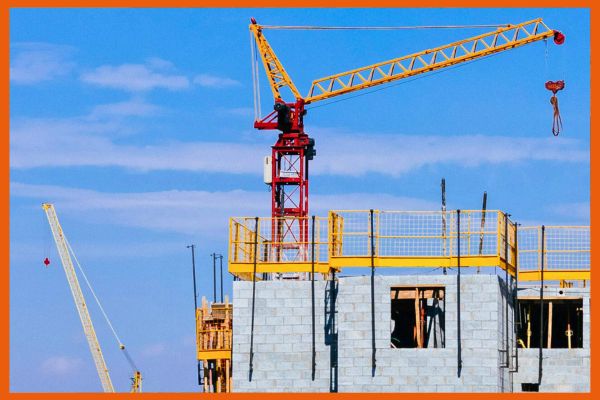
Urban redevelopment has become one of the most important drivers of infrastructure growth in India. As cities expand and populations increase, the demand for modern housing, commercial spaces, and improved infrastructure continues to rise. Redevelopment provides an opportunity to replace outdated buildings with modern, efficient, and sustainable structures that align with current urban planning standards.
In metropolitan cities such as Mumbai, redevelopment plays a particularly critical role. Many buildings constructed decades ago no longer meet safety standards or modern living expectations. Redevelopment allows these properties to be reconstructed with improved structural integrity, better amenities, and efficient use of available land.
One of the primary advantages of redevelopment is optimal land utilization. Land is a limited resource, especially in dense cities. Redevelopment enables vertical expansion, allowing more residential and commercial units within the same land footprint. This helps accommodate population growth without expanding city boundaries.
Redevelopment also improves safety and infrastructure. Older buildings may face structural deterioration, outdated electrical systems, and poor drainage. New developments incorporate modern construction techniques, ensuring safety, durability, and compliance with regulatory standards.
For residents, redevelopment offers improved living conditions. Modern buildings provide elevators, parking facilities, security systems, fire safety measures, and enhanced living spaces. Residents benefit from better quality homes without the challenges associated with maintaining old structures.
From an economic perspective, redevelopment contributes significantly to job creation and economic growth. Construction projects generate employment for engineers, contractors, architects, and skilled labor. It also stimulates related industries such as cement, steel, logistics, and manufacturing.
Developers play a key role in managing redevelopment projects efficiently. They coordinate with residents, regulatory authorities, financial institutions, and contractors to ensure smooth execution. A professional and compliance-driven approach ensures transparency and successful project completion.
Redevelopment also contributes to urban sustainability. New buildings incorporate energy-efficient systems, water conservation measures, and environmentally responsible construction practices. This helps reduce environmental impact while improving overall urban efficiency.
In conclusion, urban redevelopment is essential for the future growth of Indian cities. It improves living conditions, enhances infrastructure, and supports economic development. As cities continue to grow, redevelopment will remain a key component of sustainable urban transformation.